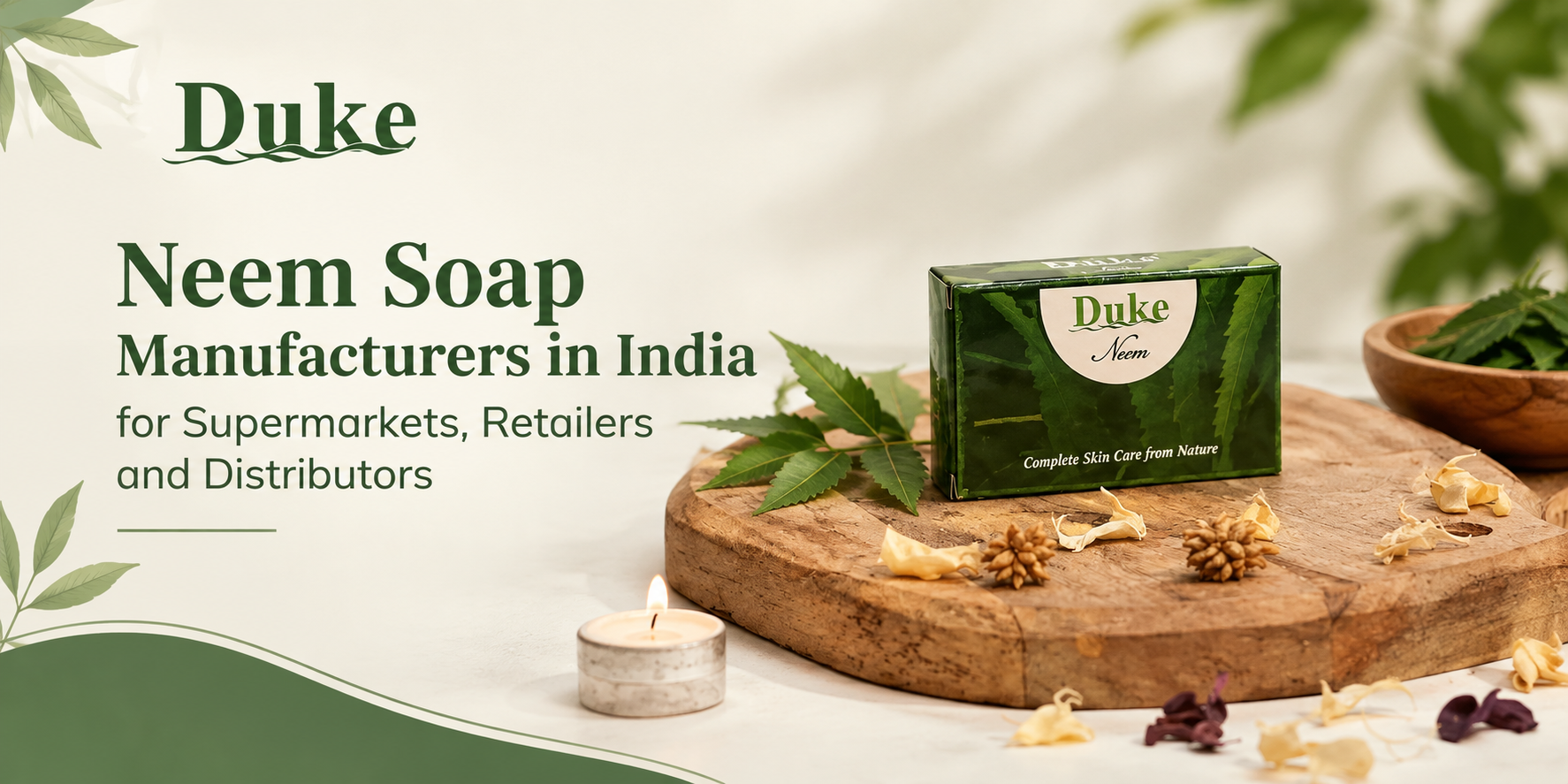
Neem soap has a familiar place in the Indian market. Many customers look for neem-based bathing soaps because they prefer products made with traditional ingredients. You can find these soaps in local shops, supermarkets, cosmetic stores, and personal care sections of retail outlets.
For retailers and distributors, neem soap can be a useful addition to a bathing soap range. But choosing the right product involves more than checking its selling price. Product quality, packaging, customer demand, supply consistency, and profit margins all matter.
This is where reliable neem soap manufacturers in India become important. A suitable manufacturing partner can help businesses source products in bulk, manage regular stock requirements, and offer customers soap options that fit their preferences.
If you run a supermarket, retail shop, or wholesale distribution business, here are some practical points to consider before choosing a neem soap supplier.
1. Why Is Neem Soap Popular in the Indian Market?
Neem has been used in traditional Indian personal care practices for generations. Its familiarity makes neem-based soap an appealing option for customers who prefer traditional ingredients in their daily bathing routine.
Some buyers look for neem soap because they associate neem with a fresh, clean feeling. Others simply want an alternative to regular bathing soaps or prefer products featuring plant-based ingredients.
For retailers, this means neem soap can serve customers with different preferences. It can sit alongside regular bathing soaps, herbal soaps, and other personal care products.
However, retailers should avoid assuming that every customer wants the same thing. Some buyers focus on price, while others pay attention to fragrance, ingredients, packaging, and brand reputation.
A well-selected product range gives customers more choice and helps shops serve different buying needs.
2. What Should Retailers Expect From Neem Soap Manufacturers in India?
When buying soap in bulk, retailers need a supplier who understands the practical side of the business. A product may look attractive in a catalogue, but the real questions begin when the stock arrives.
Before selecting a manufacturer, consider these points:
- Product consistency: Soap bars should match the agreed specifications in appearance, weight, fragrance, and packaging.
- Clear product information: Ingredient details, product labelling, and other required information should be available.
- Packaging quality: Wrappers and outer cartons should protect the soap during storage and transportation.
- Bulk order terms: Minimum quantities, payment conditions, and delivery timelines should be clear.
- Repeat availability: Regular stock availability makes it easier to plan future orders.
- Pricing: Compare the complete purchase cost rather than looking only at the price per bar.
These checks help reduce confusion and make it easier to build a steady relationship with a supplier.
3. Packaging Can Influence Sales
A customer often notices the soap wrapper before checking the product itself. If the packaging looks neat, the product is easier to display and may create a better first impression.
For supermarkets, packaging also helps customers compare different soaps on the shelf. Clear product information, readable labels, and suitable pack sizes can make shopping easier.
Retailers should check whether the manufacturer offers different packaging options. For example, individually wrapped soaps may work well for general retail sales, while boxed soaps may suit stores that prefer a more premium-looking product.
Distributors should also pay attention to outer cartons. Strong packaging can help protect stock during transportation and reduce damage during handling.
Before finalizing an order, ask the manufacturer about available pack sizes, labelling requirements, carton quantities, and any additional charges for customized packaging.
4. Bulk Pricing Matters, but So Does Profit Margin
For a retailer, the buying price directly affects the margin available on each product. However, the cheapest soap is not always the most suitable choice for the business.
Suppose two manufacturers offer neem soap at different prices. One offers a lower price but has higher transportation charges or a large minimum order quantity. The other offers a slightly higher unit price with terms that better match your storage capacity and sales volume.
The second option may prove more practical.
When comparing neem soap manufacturers in India, calculate the complete cost, including:
- Price per soap bar.
- Transportation and delivery charges.
- Packaging or labelling costs.
- Minimum order quantity.
- Payment terms and applicable taxes.
- Expected selling price and profit margin.
Supermarkets and established distributors may be able to purchase larger quantities, while smaller retailers may need to manage their stock more carefully.
The right order quantity is one that supports sales without tying up too much money in products that take a long time to sell.
5. How to Choose a Reliable Neem Soap Manufacturing Company
A good supplier relationship should make business easier, not create more work.
Before choosing a neem soap manufacturing company, request product samples and review the specifications. Check the soap’s appearance, fragrance, weight, packaging, and ingredient information. Ask how product quality is monitored and what process is followed if an order arrives with damaged goods.
It is also worth discussing future supply requirements. If your neem soap sales increase, you will want a manufacturer that can discuss larger orders and realistic delivery schedules.
For businesses interested in private-label products, ask whether the manufacturer offers custom branding, wrapper design, fragrance options, or different soap sizes. Confirm all costs and production requirements before approving the order.
A little research at the beginning can help prevent problems after the stock reaches your warehouse or shop.
6. What About Neem Soap Exporters in India?
Businesses supplying international markets need to consider additional requirements beyond the domestic market.
When comparing neem soap exporters in India, check whether the supplier can support your destination country’s product labelling, documentation, packaging, and import requirements. Export orders may also involve different carton specifications, shipping arrangements, and lead times.
Do not assume that requirements are identical across countries. Import rules can vary, so confirm them before placing an order.
Exporters and international distributors should also discuss order volumes, payment terms, shipping responsibilities, and product specifications in writing. Clear communication helps both sides plan production and delivery more effectively.
Conclusion
Finding the right neem soap manufacturer takes more than comparing prices. Supermarkets, retailers, and distributors need to consider product quality, packaging, supply consistency, order quantities, and profit margins before making a decision.
Duke Soaps, a soap manufacturing brand operated by Charkha Detergent and Soaps in Delhi, offers neem soap options for businesses looking for bulk supplies. You can explore the neem soap range from Duke Soaps to review available sizes and packaging options and discuss your business requirements with the team.
FAQs About Neem Soap Manufacturers in India
1.How do I choose the best neem soap manufacturers in India?
Choose neem soap manufacturers in India by comparing product quality, ingredient details, packaging, bulk pricing, minimum order quantities, and delivery timelines. Request samples and confirm product specifications before placing a large order.
2. What should retailers check before buying neem soap in bulk?
Retailers should check soap quality, fragrance, bar weight, packaging, labelling, purchase costs, and expected profit margins. They should also confirm stock availability and delivery schedules to avoid running out of products.
3. How can a neem soap manufacturing company help distributors?
A neem soap manufacturing company can help distributors source products in bulk, understand order requirements, and plan repeat purchases. Depending on the manufacturer, distributors may also have access to different soap sizes and packaging options.
4.Do neem soap manufacturers in India offer private-label and customized packaging?
Some manufacturers offer private-label services, custom wrappers, branding, and packaging options. Availability depends on the supplier, minimum order quantity, and production requirements. Always confirm customization costs and delivery timelines before ordering.
5. How can I find reliable neem soap exporters in India?
Compare neem soap exporters in India based on product quality, export documentation, packaging, order capacity, and shipping arrangements. Confirm that the supplier can meet the destination country’s import and labelling requirements before finalizing an export order.